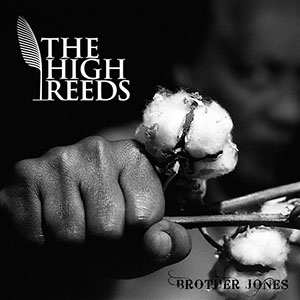
In the spirit of equality - the four members of The High Exchange Reeds constantly swap places behind the microphone - and to indicate this project is not about a singer with a backing band, but a tight-knit group of musicians, for this 6 track 'Brother Jones' EP, Christophe Rigaud & The High Reeds was simply abbreviated to The High Reeds.
Together with Jah Shakespear, one of the founders of Reggae.be, he first started as a critic and a reporter before in the end of 2014 becoming editor in chief. Divides his time between his two passions: music and Haile Selassie.
Jun 29, 2017