






.Dl7BAwhJ_ZJXLLF.webp)
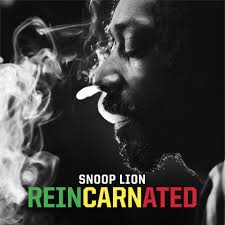
Snoop Lion (formerly Dogg) did not make an exceptional album. His 'reincarnation' seems sincere though, ignited by the oldest and most African movement of Rastafari, nyabinghi.
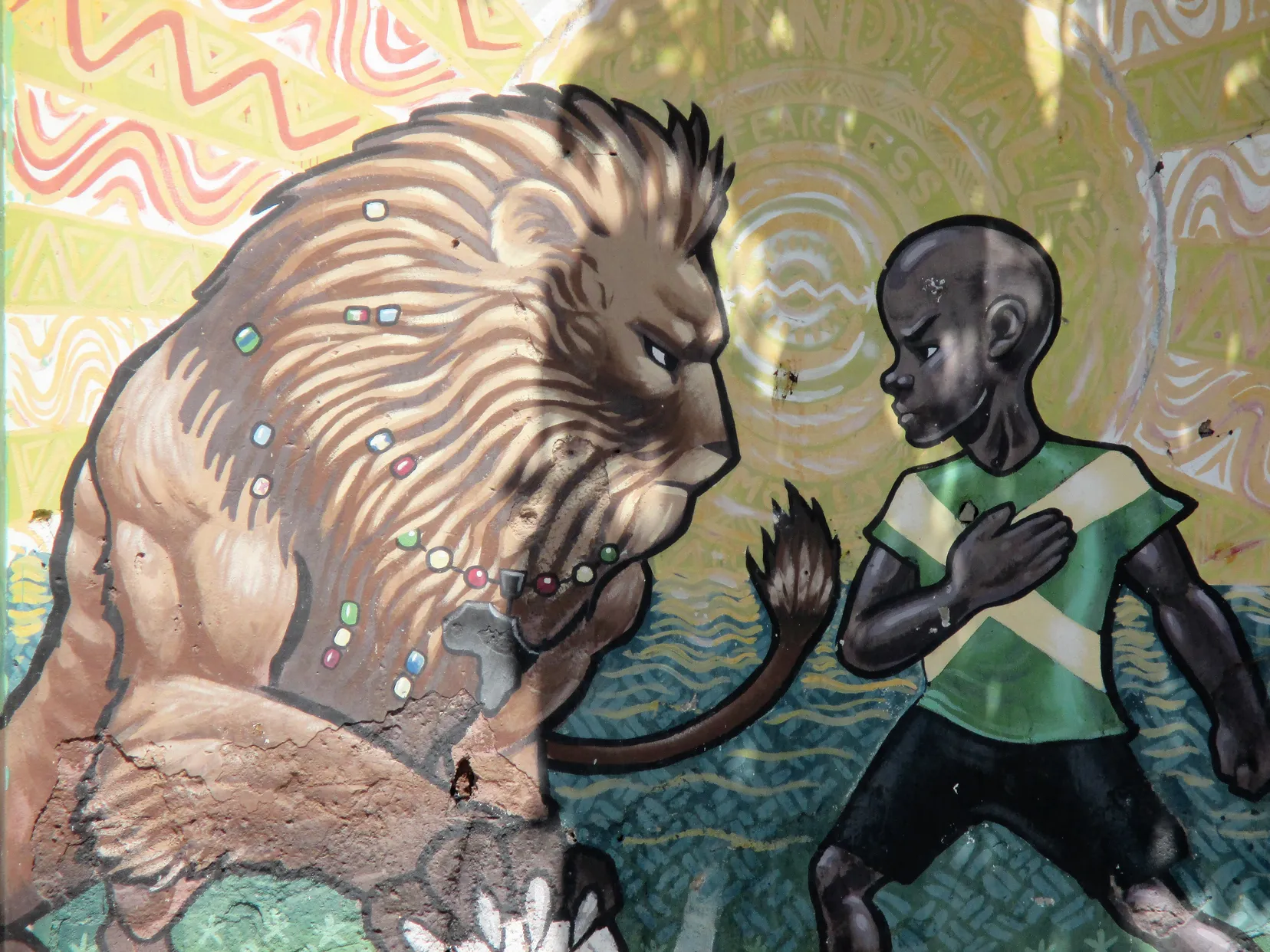
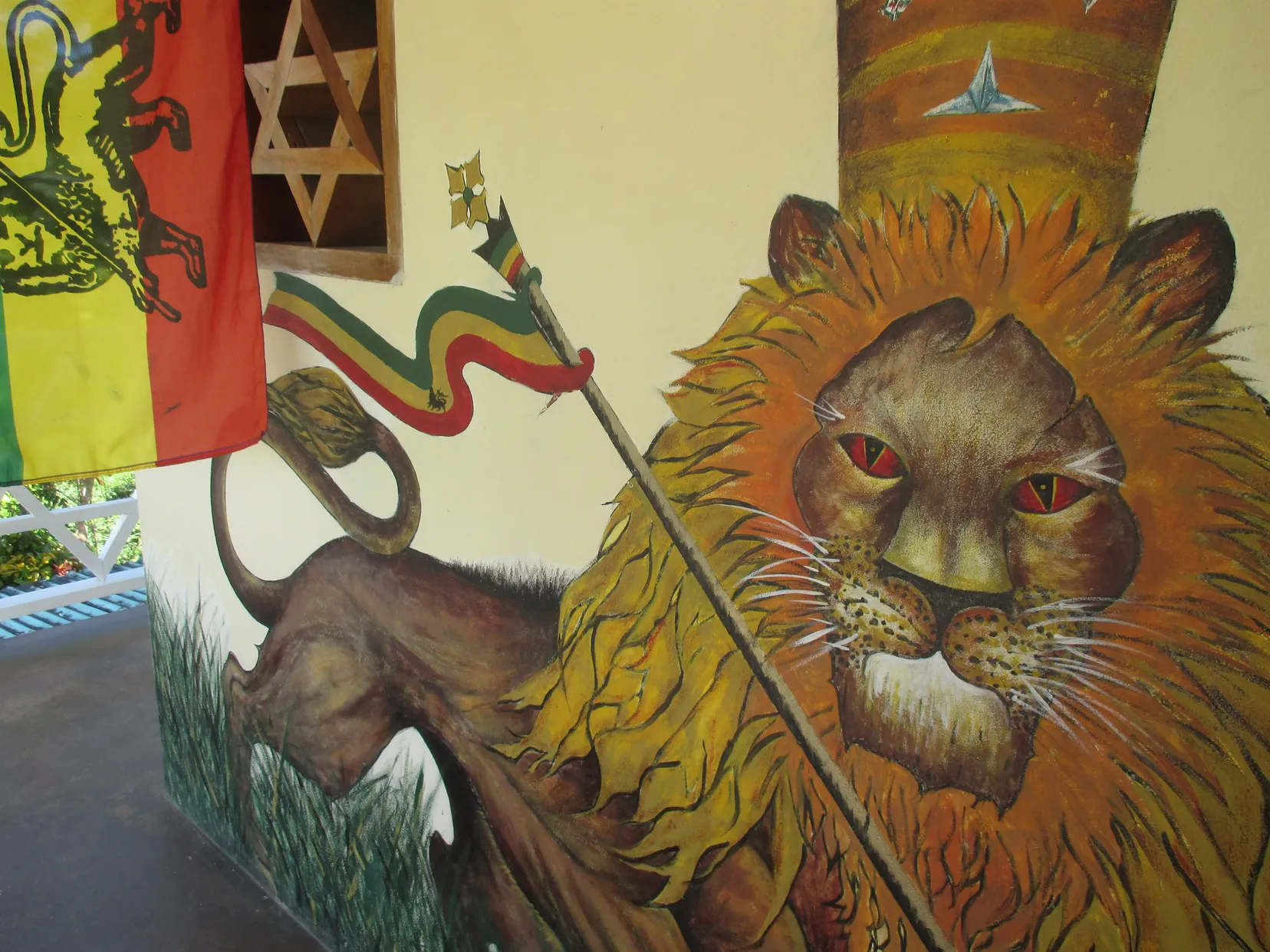
The name change was obvious, especially in a country where concocting suitable nicknames is a national sport. Most Jamaicans look at dogs with disdain, while the lion is the symbol for the Ethiopian emperor Haile Selassie I (formerly called Ras Tafari) and therefore also for the Rasta who are named after him. The Rasta elders had barely blessed Snoop — with the customary biblical bombast: "The prodigal son has returned!" — when someone called out "Snoop Dogg gone, 'im Snoop Lion now!" The quote was instantly adopted by Irie FM and found its way into the world.
This all seems staged; part of a clever marketing campaign. But you don't make a reggae record as a career move. Hip-hop fans never hoped for this, reggae fans wouldn't immediately take Snoop seriously and the rest of the world simply doesn't care. You wouldn't even be able to plan anything in Jamaica if you wanted to, let alone market it. Yes, top producer Diplo a.k.a. Major Lazer took Snoop to Jamaica, with a camera crew following their every move, and they had their plans to record a reggae album. But what happened next, was natural mystic: a likely Jamaican experience when in the right flow, even more so when you seek out the musical warriors of the nyabinghi, the eldest and most pristine movement within Rastafari.
Snoop is not the first (pop) superstar to have headed to Jamaica to record an album. Eric Clapton ('I shot the sheriff', 1974) and Paul Simon ('Mother and child reunion', 1972) came to Kingston long before. Around the same time, in the beginning of the 70s, the Rolling Stones worked at Byron Lee's Dynamic studio on their 'Goats head soup' (1973) album (named after a famous local dish), holding among others a cover of Eric Donaldson's 'Cherry oh baby' (1971). Even Paul and Linda McCartney were intrigued by reggae (listen to the middle part of the song 'Live and let die', 1972) and especially by Lee Perry. Their recordings at the legendary Black Ark only made it to a b-side much later. A similar fate was sealed for a Robert Palmer session, and the Jamaica tapes from Johnny Cash are gathering dust in a safe somewhere. More recently Sinéad O'Connor made the wonderful reggae cover album 'Throw down your arms' (2005) with Sly & Robbie. That duo also produced Serge Gainsbourg's 'Aux armes et caetera' (1979); the best and most successful reggae album ever recorded by a foreigner in Jamaica.
Much less known are the nyabinghi recordings ('Wingless Angels', 1997) Rolling Stones guitarist Keith Richards made in the nineties with Justin Hinds (died 2005) and a group of Rasta drummers from Steer Town, close to Ocho Rios. The 'Wingless Angels Deluxe Edition' (2010) was nominated for a Grammy for Best Boxed or Special Limited Edition Package in 2012, but otherwise the Wingless Angels never gained much resonance. No reggae, no dancehall, and no electronics: nyabinghi is a hard sell, certainly to people who never attended or joined a grounation or binghi in Jamaica.
Nyabinghi is the foundation of reggae, the organic primal rhythm the Rasta created last century on their handmade fundeh and repeater drums; the rhythm of the heart. Most nyabinghi drummers don't care for reggae or amplified music in general, convinced that only the sound of natural, African instruments is appropriate for praising Jah, and even more his incarnate Haile Selassie I.
It was with one of the island's many nyabinghi communities; The Nyabinghi Theocracy Reign Order, considered rather authoritarian and orthodox, that Snoop Dogg transformed into Snoop Lion. Some Rasta do actually advocate a theocratic regime, others plead 'black supremacy'. But those aren't the dominant messages of the long, repetitive chanting during the drumming in the custom built round half-open tabernacles. More often the chants are about the emperor and Mama Africa, about power and self-awareness, about peace and love. The Rasta have always kind of been African hippies, in the best possible meaning of the word and not just because of the exuberant hair style. Back to the roots and simplicity of a life in harmony with nature: the 'livity' of Rasta also offers relief to the spoilt and weary westerners.
Snoop Dogg has been criticised for years for rapping about guns, bitches and bling-bling. The Rasta showed him a different reality, with chants and music, and he decided to better his life, no matter how corny that might sound. People evolve; gain insight, mature, sometimes influenced by a guru or a spiritual guide, in this case by immersion in another culture, the particular world of sufferers and Rasta. Or was it because of the weed, nowhere as present and available as in Jamaica? A nice bonus for smoker of habit Snoop, an advantage for networking purposes, but surely not paramount in his 'reincarnation'. The enthralling drums made him vibrate differently; the echo's of a glorious African past, the raw, grieving chants of better times and better people.
The intense experience resulted in a colourful, intriguing record, however mostly thanks to Diplo's brilliant mixing of (roots) reggae, dancehall, hip-hop, dubstep, house and ska (and no nyabinghi). He dug up a few great reggae samples ('Sleng teng', 'Smoke the weed'; how surprising) and he enlists a range of current hip-hop and dancehall stars: Mavado, Popcaan, Mr Vegas, Collie Budz, Akon, Iza, Chris Brown...). Sometimes you'd wish Snoop would just shut up, because his feeble (stoned?) nagging is in the way, even when fluffy songstress Miley Cyrus joins in. Colleague rapper Busta Rhymes surpasses his host effortlessly. One of the best tracks (however only included on the 'Deluxe Edition') turns out to be the previously released single 'Lalala', a fresh exercise in style on the ancient 'Artibella' riddim, but again with Major Lazer as inspirer and Snoop Lion as slightly superfluous vocalist. He makes an effort to sing (instead of rapping) in 'Who feels it knows it', a recurring quote in Rasta circles. Snoop feels it, the power of Rastafari, but does not really know what to do with it yet.
Jah Shakespear has been listening to reggae music since 1977, started writing about the subject in the early nineteen eighties (for De Morgen, De Standaard, P-Magazine, Highlife and a number of other magazines) and founded this website in 2002. He's also the author of 'De Rasta Revelatie' (2008) and 'In Het Spoor Van De Keizer' (2016).
May 14, 2013