





.Dl7BAwhJ_ZJXLLF.webp)
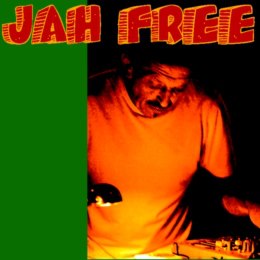
'The Dub Activist', die al meer dan dertig jaar actief is in the UK Dub scene, komt komend weekend naar de Sinxenfeesten in Kortrijk, de ideale gelegenheid om hem aan bod te laten komen in onze reeks UK Dub Files.
I was wondering how long you have been making music untill now?
Well, upon till now… I first started getting involved in reggae music when I was about thirty years old, so that's about over thirty years now, maybe thirty four. I'm not sure. I've always liked to play a bit of music, but never really concentrated and done anything but becoming a band just playing for fun really, you know. Electro guitar, became Jimmy Hendrickx in the bedroom for a while, you know. That sort of thing, but that's thirty years now, yeah.
You're like Russ D or people like Ruben Addis or Jah Tubby's, you are one of the people that started doing reggae music at a moment that is wasn't evident at all to do this as a white man. Did you have a hard time being in the reggae scene when u first started there?
I don't think so. When I was very early in to it I used to do promoting a path way through so to finance the studio, so we could record stuff, and never really had a lot of problems, you know. Maybe one or two times something turned up but the people in world were sort of put in there place by their friends, you know what I mean? "Leave him alone, he's allright." And then I was left alone, you know what I mean. (laughs) It's lucky really because since the birth of UK Dub, more white people have been involved or been accepted in the reggae scene. I don't think they were ever not accepted, you know what I mean. From long time ago, reggae really is a one love thing, you know, and that's it. That's all nations, all colours, all creeds, so nobody should have a problem really.
You were really an innovater in the dub music scene, but what you see a lot in reggae is that you have the golden ages of the seventies, the eighties and a lot of riddims are built after that era. How do you feel about all this nostalgia in reggae music?
I love the roots and culture, because really, it will always be there, you know. What came first it was the teachings and the knowledge that give the people who make it now. The eductaion and the information to carry on making it nowadays, you know, with conscious lyrics and pieces from the bible and stuff, you know what I mean. Yeah, great stuff, I love the roots and culture, yeah.
You are really somebody who took the roots and culture in a totally new direction. Do you think the music will evolve as well in another direction, the other dub music?
I don't know. It's original style out there, isn't it? My people recording in Jamaica, it's just added some sound. Even tunes they make today sound authentic, you know what I mean, because of the methods and the vibe they put in to it. I just really see it as another department. Yeah, it seems to me that a lot of people from Jamaica came to England and brought their music with them, and the English people have tapped in to it, and that actually became UK Dub, you know what I mean? The first thing that was exposed in the UK, as far as I know, was from Jah Works, and it was a cassette featuring Jamaican artists, UK artists, a bit of each, and it has all put the UK Dub thing on the map really, and things have grown from there, you know, so it has opened the door, yeah, fore sure.
I have the impression that you put a lot more influences in the music than just Jamaican music. Can you comment something about this?
I had a hippy background before I got into reggae and the Rastafari thing, and a lot of the tunes back then were very similar to the reggae tunes: peace, love, vibes, you know. The hippies were saying similar things about the governments, the rich people and the welfare you know, so it's quiet an easy step, and I'm sure, I know shades of that are in my music today because I use lyrics from the past to start a song. And then take it somewhere else, you know what I mean.
You're talking about the sixties and seventies when reggae had a very political message as well. I was thinking about the Brixton riots actually, and the fact that there were a lot of songs in the UK about those riots as well. Do you think that with the riot that happened very nearly in the UK, that will get a political reflex again in reggae music?
Yeah, definately! I mean, before I made music on my own I was in a band called Bushfire. We were anti-government or anti-unequality, anything which wasn't equal, you know. We all need a fare share in unity, and that's the thing. We had a song called 'Rise up youthman' and a part of the lyric was 'Look what happened in '81' Telling people to keep on… you know what I mean? The governments don't listen or aren't interested in anything except theirselves and their own gratifications, and whatever, you know. When time comes, the people have to push it a little bit because the finances are changing, that starts increasing things for the poor when banks are making billions, you know. It's just so out of balance, you know what I mean. There's always space for it and we hope to reflect that in our lyrics on the tunes that we make, you know.
This political and rebellious message, is it for you connected to Rastafari?
It's equal rights and justice, you know. I'm not only calling up for the problems that are going on in England. I'm wondering why, in 2011, with all the money and all the wealth and the food around, children are still dieing in Africa! It's an embarrassment to the civilised world that such things still going on in 2011! If they find oil somewhere, they run a pipeline for miles to get the oil out. Why can't they do another pipeline next to it and take it water in or something, you know. There's no return in it, and it's people's lives, you know. Underneath it all, that is the more important thing, obviously, yeah…
Now you have been in the scene so long, can you say you have been practising Rastafari in your own life?
Well, I don't know really. I don't really think that's for me to say myself, you know. You do what you think it's the right thing, you know what I mean. As far as I'm concerned, there's no negativeness in my life, in my family's life, I have child, you know, we give thanks before our food. We work with people who've had difficulties and we improve their lives. My partner Simaya Works with a young girl and she makes a child's life, you know what I mean. It's like that, you know. If there's such a thing that you getting what you deserve, I might be Lucky if I get what I deserve. (laughs) So, yeah, I think it's positive.
Do you think you will always keep on doing your music?
Oh yeah, yeah! I can't see a reason to stop, you know! It really started taking off about fifteen years ago when I was with Zion Train and started getting exposure as an artist through them, you know, and the Universal Egg records and stuff. Every year it surprises me that another step always comes, you know. Three years ago, things went really good. I was releasing singles, I was playing away. Things were really good, and the next year we got better, and this year we started working with different people from different countries. Working with Dan I out of Italy, working with Ricky from Croatia, working with Warrior Charge in Italy, really trying to get that international feel, and every time we work with someone like that it seems like the rewards come back to us more than we put in, you understand? I pass people a tune, you know. "Have you got a lyric for this? So here's a riddim, see what you can sing on it." And that's how I like a single come out.
Thanks for being with us Jaf Free, and we hope you keep doing your thing for a very long time.