
.Dl7BAwhJ_ZJXLLF.webp)
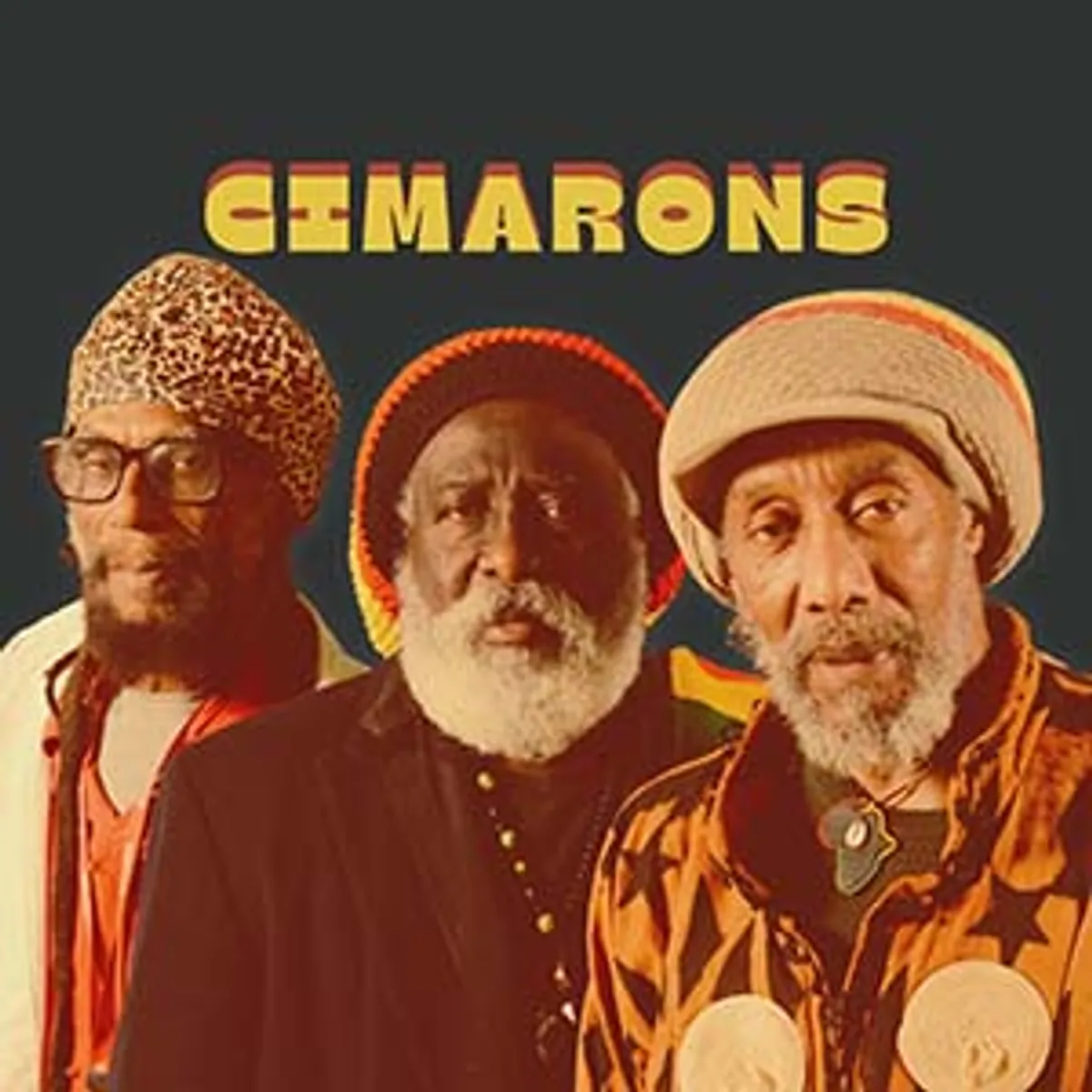
Cimarons (Locksley Gichie): "It was as if that name was chosen for us!"
door Jah Rebel
U had van ons nog steeds het derde en laatste deel tegoed van ons interview met Locksley Gichie van Cimarons (de twee eerdere delen verschenen hier al eerder). De band staat binnen enkele weken samen met Roberto Sanchez op Irie Vibes, dus geen betere gelegenheid dachten wij zo!
Many fans seem to regard 'On The Rock' as the Cimarons' standout album. Would you agree with that assessment? And do you think recording the album in Jamaica contributed to its distinctive sound and lasting appeal?
Locksley Gichie: "Yes, it did play a big, big role. At the time, the general reggae public in England didn't really respect English bands. If a band hadn't recorded in Jamaica, they didn't want to know. We did most of the album at Channel One. Two tracks were recorded at Black Hawk Studio, and we did some parts at Randy's.
Jamaica was an experience! We went to see Bob. I went up to Hope Road, and as I walked through the gate, Bob was sitting under a mango tree. I approached him, but he didn't say a word. Then suddenly: "Cimarons, I asked man to cover one of my songs, but I never asked man to make it number one!". He was clearly impressed with what we'd achieved with 'Talkin' Blues', but he didn't want to show it. (laughs)
Sly and Robbie used to be big Cimarons fans to. We didn't know, but when we did the 'Live At The Roundhouse' album (Polydor, 1978, red.), they were in the audience. Afterwards they came to see us, and we talked music with them for hours!"
During the COVID-19 pandemic, you lost one of your founding members, Maurice Ellis. How would you describe him, both as a musician and as a person?
Locksley Gichie: "Just before the COVID-19 pandemic, we were planning a comeback with the band. That's when Michael (Arkk, vocals, red.) joined us. Then Maurice suddenly took ill. We didn't make much of it at first. He was having pain in his leg and his side. We thought it was a muscle problem. But after a while, the pain became unbearable and he couldn't work anymore. Eventually he ended up in hospital, where they discovered Maurice had cancer. It already had spread all-over his body, so there was nothing more they could do. Maurice was one of a kind. He was a nice brother and a very experienced brilliant drummer!"
I'd also like to ask you about 'Reggaebility', the early-'80s album of Beatles and Paul McCartney songs. Whose idea was it, and how did the project come together?
Locksley Gichie: "For some reason, Paul wanted to give some of his songs a reggae makeover. Come to think of it, I think it was mostly Linda. Linda was a real rebel. She was the one who pitched the idea to Paul. When you mention reggae music in England, you've got to mention Chalk Farm Studio and Vic Keary, the owner. We were invited and had a big talk with Paul and Linda. He came out with this big catalogue and said: "Choose the songs you want to do in reggae. It's up to you!" At the time the band was sort of in limbo. Carl wasn't with us anymore, so we brought in Sonny Binns, who was the keyboard player for Greyhound.
Every day, Linda would come to the studio and she'd grab a camera. Snap, snap, snap, snap, snap. We did a lot of photographs together and she also did the album sleeve. Paul also shot a video for 'Big Girls Don't Cry'. He brought in some model girls, checked all the camera angles and told us what he wanted us to do. He also booked Brixton Academy, where he put on a televised live show. And it didn't stop there! He also asked us to appear as extras in the music video for 'Ebony And Ivory', his duet with Stevie Wonder. If you play the video and look in the background, you'll see us! (laughs) After that, we lost contact, but it was a great experience working with Paul."
Have you ever considered reissuing some of your older albums?
Locksley Gichie: "We're thinking about it. Some people like 'Maka', but 'Freedom Street' is my favourite. To me that album sounds more grounded, it's more of a rootical album."
Roots reggae and Rastafari often go hand in hand. Was that an important part of the Cimarons' identity?
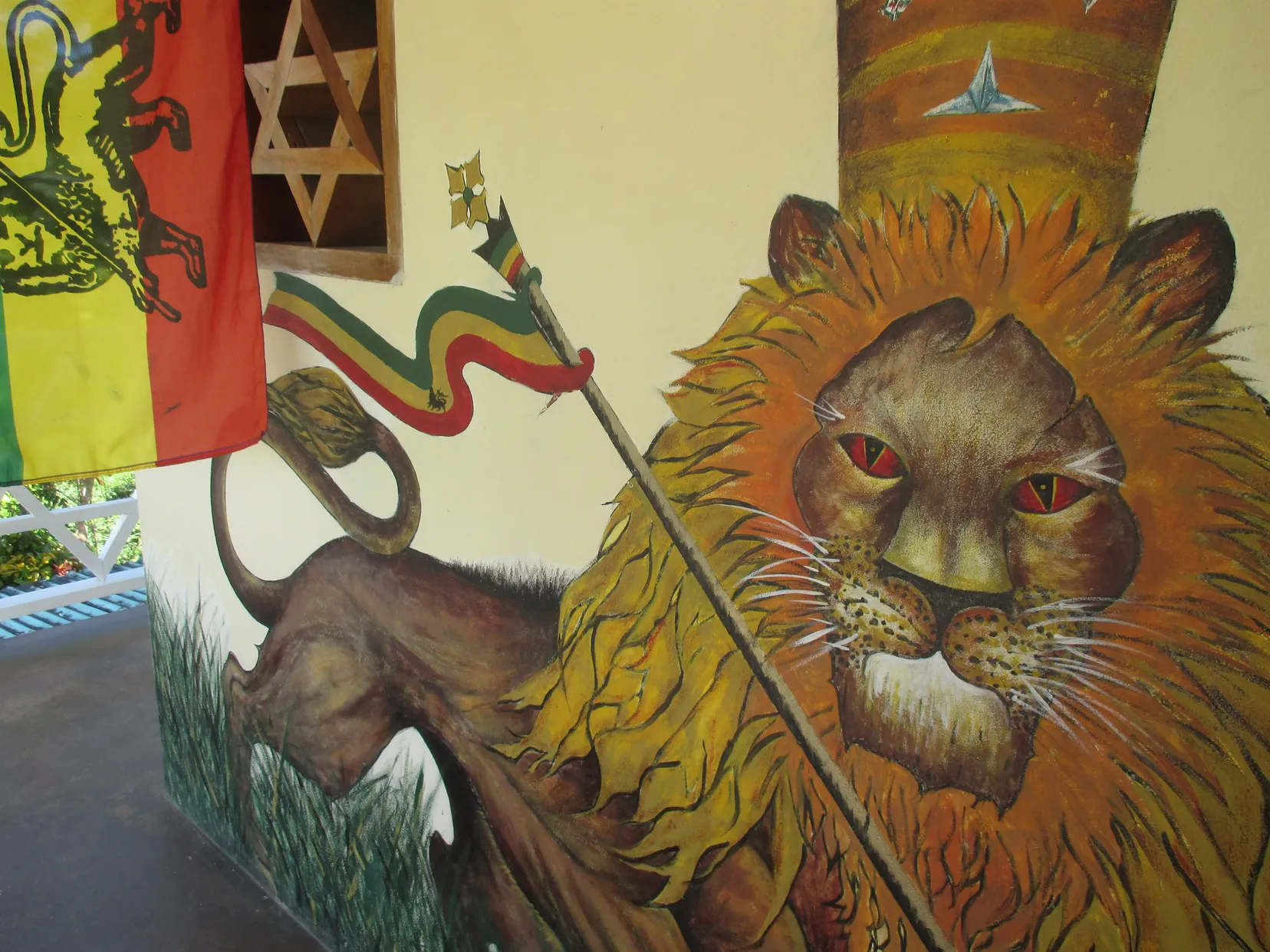
Locksley Gichie: I think we really got involved with Rastafari through Bob. Not so much Bob, but more Bunny Wailer. At the time, Bob was like the young Rastafarian, but Bunny was really into the doctrine part of it. Bunny didn't say much, but when he spoke you had to listen! When you walked into a room with Bunny Wailer, and you'd sit in his corner for the first time, you could feel his eyes penetrating you. The first thing he said to me was: "Do you know yourself?". I replied: "Yeah man, I'm Locksley Gichie!" He looked at me and told me to go away and not come back before I knew myself! The reply he was looking far was: "I'm an African!" Bunny was a good teacher. He gave us that inner consciousness.
But to be honest, in those days, I still did the wrong thing! I liked my pork sausage. (laughs) One day, we were moving around and we stopped at a stall to buy some food. I went and bought a sausage roll. I was hungry, you know! I returned to the van, and as soon as I took it out, Bunny smelled pork, shouting: "We don't eat pork!" I couldn't say no, so I just ended up throwing it away through the window! (laughs) That's just how it was!"
Earlier, you mentioned the name Cimarons came from a TV show, but it also refers to the Spanish term for maroons ("cimarrones", red.).
Locksley Gichie: "We only found out about that afterwards! In Spanish the word has an extra -r and an -e. But it means "wild and free", so that kind of made sense. It was as if that name was chosen for us!"
Over de auteur
Jah RebelMeer Minder
Lag samen met Jah Shakespear aan de basis van Reggae.be; eerst als recensent en interviewer, en vanaf eind 2014 ook als hoofdredacteur. Verdeelt zijn tijd tussen zijn twee passies: muziek en Haile Selassie.
Genres
Gepubliceerd
6 juli 2026