




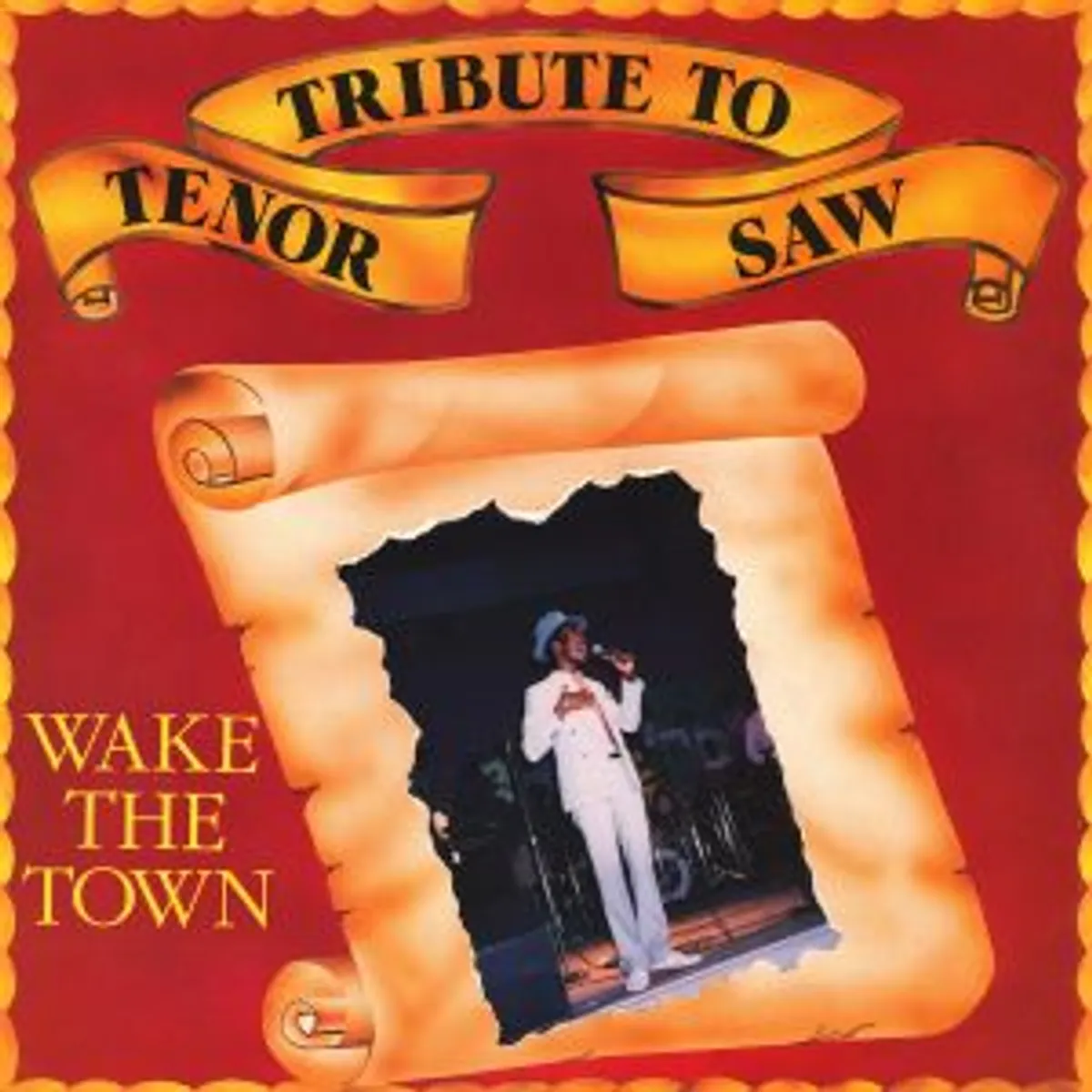
Tenor Saw - Wake The Town + Sugar Minott - Ghetto Child + Frankie Paul - Sizzling (VP Records)
by Jah Rebel
VP Records may have leaned heavily into reissues in recent years, but every now and then that strategy still yields some real gems. Kenneth 'Skengdon' Black's Skengdon label would have celebrated its 40th anniversary this year, and to mark the occasion VP Records is shining a light once again on a number of the label's most iconic releases through digital reissues.
Kenneth 'Skengdon' Black, a somewhat controversial figure with close ties to Jamaica's PNP, initially ran the Stereo Mars sound system, where Tenor Saw made his name alongside more established artists such as Super Cat, Nicodemus, Burro Banton and Cutty Ranks. However, in 1985, Black opened the brand-new Diamond Studio Centre in Miami, Florida, creating the ideal setting for recording a whole series of iconic digital-era releases from the 1980s.
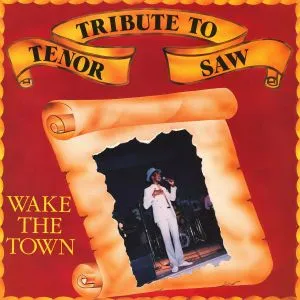
We kick things off with 'Wake The Town' by Tenor Saw, an album released posthumously in 1989 after the singer was tragically killed in a traffic accident in Houston, Texas. The album was produced by none other than Sugar Minott, with Roots Radics providing the musical backing. Sound engineer Anthony 'Crucial Bunny' Graham aka Bunny Tom-Tom, who had previously made his mark at Channel One and kept everything running smoothly here, would go on to become a key figure at Skengdon.
Almost simultaneously, Sugar Minott also recorded his own 'Ghetto Child' album at the studio. For that session, he brought in the Abbashante Band, best known for their work with New York's Wackies label, featuring Kenneth 'Paco' Gordon on bass, Marcus 'Rangatan' Smith on drums, Earl Fitzsimmonds on keyboards, and Simon 'Siyute' Rochester on guitar. With highlights such as ganja anthem 'Dreadlocks Chalice', title track 'Ghetto Child', and love tunes like 'Nowadays Girl' and 'Another Mans Girl', the album has stood the test of time remarkably well. True aficionados can also download the dub version of the album alongside it.
Frankie Paul's 'Sizzling' appeared about a year earlier than the two aforementioned releases. Musicians on duty included Jackie Mittoo, Steely & Clevie, and Cleveland and Dalton Browne. Veteran Al Campbell's voice can also be heard, most notably on 'Can't Live Without You'. Other standout tracks include 'Hanging On For Life', a kind of sequel to Frankie's big hit 'Alesha', the highly infectious anti-gun anthem 'Gunshot', and the closing title track 'No Sizzling', in which Frankie reflects on the rise of crack and cocaine in 1980s Jamaica.
To be continued!
Listen
About the author
Jah RebelMore Less
Together with Jah Shakespear, one of the founders of Reggae.be, he first started as a critic and a reporter before in the end of 2014 becoming editor in chief. Divides his time between his two passions: music and Haile Selassie.
Genres
Published
December 23, 2025